The Drought That Forged a Dynasty: How Winnipeg’s 29-Year Wait Changed Everything
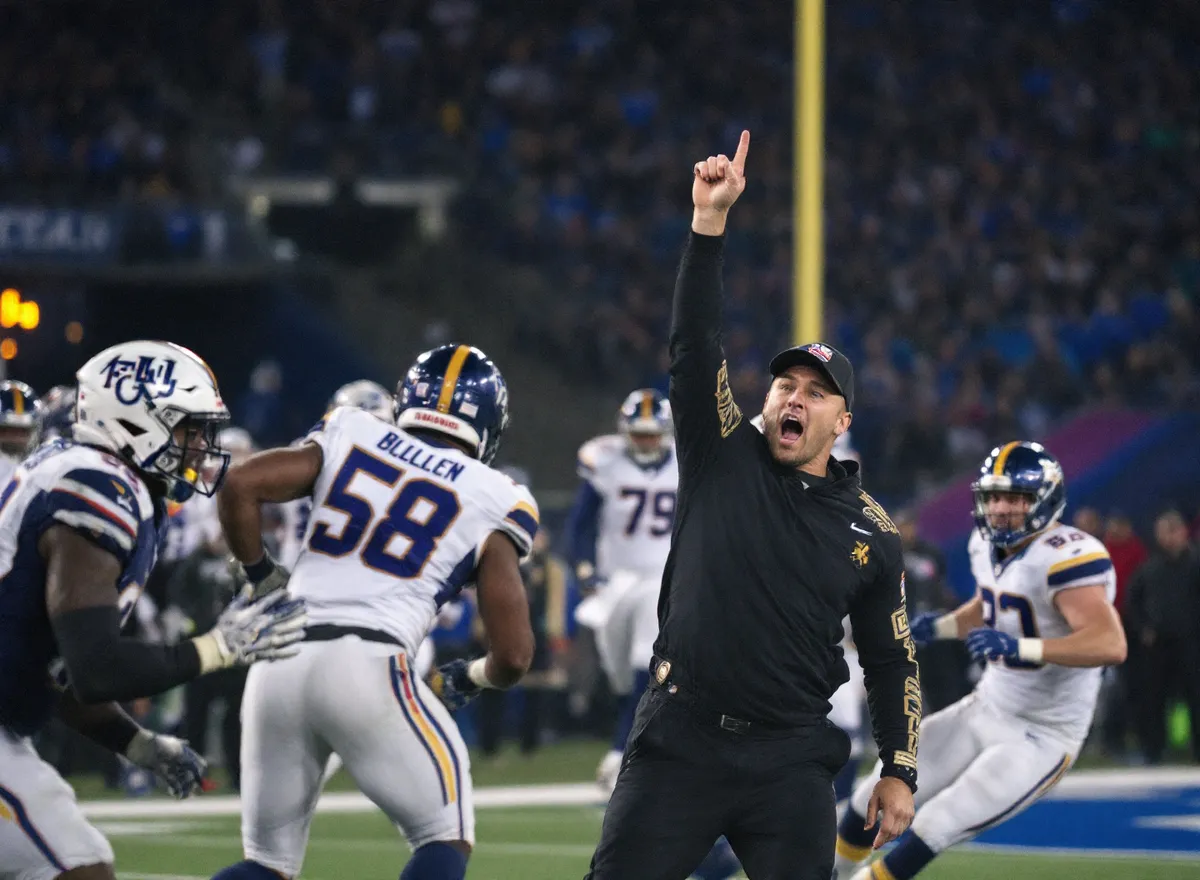
On November 24, 2019, when Zach Collaros took a knee in Calgary’s McMahon Stadium, the Winnipeg Blue Bombers didn’t just win a football game. They exorcised a ghost that had haunted a province for three decades. The 33-12 victory over the Hamilton Tiger-Cats in the 107th Grey Cup wasn't merely a championship—it was the culmination of the longest championship drought in modern CFL history, a 29-year odyssey that began when Tom Burgess and the 1990 Bombers defeated the Edmonton Eskimos 50-11. That 1990 team, featuring Hall of Famers like James Murphy and Tyrone Jones, was supposed to be the start of something. Instead, it became the finish line for a generation of fans who would grow up, have children, and watch those children grow up, all without seeing their team win it all.
The Longest Winter: 1990 to 2019
The 29-year drought was a crucible of near-misses and heartbreak. There were the 1992 and 1993 Grey Cup losses to Calgary—the latter a 26-23 overtime defeat that still stings for those who remember Troy Westwood’s missed field goal. There was the 2001 team that went 14-4 under Dave Ritchie, only to be upset by the eventual champion Calgary Stampeders in the West Final. The 2007 season saw the Bombers reach the Grey Cup under Doug Berry, but they were dismantled 23-19 by the Saskatchewan Roughriders in a game that saw a controversial pass interference call against the Bombers' Ike Charlton. By 2018, the franchise had become a punchline: 10-8 in the regular season, a West Final loss to Calgary, and a growing sense that the Bombers were cursed. The team had gone through seven head coaches since 1990, from Urban Bowman to Mike O'Shea, and had watched rivals like Edmonton, Calgary, and Saskatchewan hoist multiple Cups.
The Architect: Kyle Walters and the Patient Rebuild
But while the fans suffered, general manager Kyle Walters was quietly building something different. Hired in 2013 after a stint as the team's assistant GM, Walters understood that the CFL's salary cap and free agency realities meant you couldn't buy a championship—you had to draft it, develop it, and keep it. His philosophy was simple: build through the trenches, find Canadian talent, and create a culture of accountability. The 2016 draft netted left tackle Geoff Gray and receiver Drew Wolitarsky. The 2017 draft brought defensive end Jackson Jeffcoat. The 2018 draft landed guard Pat Neufeld and defensive back Nick Taylor. But the cornerstone came in 2015, when Walters selected linebacker Adam Bighill—a 5-foot-10 American who would become the heart of the defence—and in 2016, when he signed a raw running back named Andrew Harris, a Winnipeg native who had been released by the BC Lions. Harris, who had grown up watching the Bombers lose, would become the face of the franchise's rebirth.
The Catalyst: Zach Collaros and the 2019 Gamble
The 2019 season started with uncertainty. Quarterback Matt Nichols, who had led the Bombers to back-to-back West Finals in 2017 and 2018, went down with a season-ending shoulder injury in Week 10. The Bombers were 8-3 at the time, but the season seemed lost. Walters made a move that was widely criticized: he traded for Zach Collaros, a 31-year-old quarterback who had been released by the Saskatchewan Roughriders earlier that season after suffering a concussion. Collaros had been a star in 2015 with the Hamilton Tiger-Cats, but injuries had derailed his career. The trade was seen as a desperation move. Instead, it was genius. Collaros went 6-0 as a starter down the stretch, throwing 11 touchdowns against just 2 interceptions. In the West Final, he led a 20-14 upset of the heavily favoured Saskatchewan Roughriders at Mosaic Stadium. In the Grey Cup, he threw for 229 yards and two touchdowns, including a 17-yard strike to Rasheed Bailey that put the game away. Andrew Harris, the hometown hero, was named Grey Cup MVP after rushing for 134 yards and catching a touchdown. The drought was over.
"This is for the city of Winnipeg, for the province of Manitoba, for everyone who never stopped believing." — Andrew Harris, 2019 Grey Cup post-game
The Dynasty Blueprint: Culture Over Flash
The 2019 title wasn't a fluke. It was the beginning of a dynasty. The Bombers returned to the Grey Cup in 2021, defeating the Hamilton Tiger-Cats 33-25 in overtime—a game that saw Collaros throw for 315 yards and two touchdowns. In 2022, they beat the Toronto Argonauts 28-24 in a thriller, with Collaros winning his second straight Grey Cup MVP. In 2023, they made it three straight appearances, though they fell 24-21 to the Montreal Alouettes in a stunning upset. The core remained: head coach Mike O'Shea, who became the longest-tenured coach in franchise history; defensive coordinator Richie Hall, who built a defence that led the league in takeaways; and a roster that prioritized Canadian talent, from offensive linemen like Stanley Bryant and Jermarcus Hardrick to defensive backs like Deatrick Nichols and Winston Rose.
The dynasty was built on a simple philosophy: win the line of scrimmage, protect the quarterback, and create turnovers. The Bombers led the CFL in sacks in 2019, 2021, and 2022. They led the league in turnover differential in 2021 and 2022. Collaros, despite being 34 years old in 2022, led the league in passing touchdowns (37) and quarterback rating (114.0). The team's culture was so strong that players like Bighill and Jeffcoat turned down NFL offers to stay in Winnipeg.
What It Means Now: July 2026 and the Weight of Expectation
Fast forward to July 8, 2026. The Bombers are 3-2, sitting second in the West Division. Zach Collaros, now 37, is listed as questionable for a Week 6 matchup against the Toronto Argonauts (as reported by CFL.ca). The dynasty is showing its age. Collaros has missed time with injuries. The offensive line, once the league's best, has been inconsistent. But the culture that Walters and O'Shea built remains. The Bombers are still a contender, still a team that believes it can win any game. The 29-year drought taught the franchise that patience and process matter more than flashy moves. It taught fans that suffering is temporary, but the joy of victory is eternal.
Today, as the Bombers prepare for a critical game against the Argonauts, the weight of expectation is different. No one is asking if they can win a Grey Cup—they've won three in four years. The question is whether they can extend the window, whether Collaros has one more run left, whether the next generation of players—like quarterback Dru Brown, who is waiting in the wings—can carry the torch. The drought is a memory, but it's a memory that shaped everything. It taught the Bombers that success is never guaranteed, that every season is precious, and that the greatest victories come from the deepest struggles.
For fans today, the lesson is clear: don't take this for granted. The 29-year drought wasn't just a statistic—it was a cautionary tale. The dynasty will end someday, as all dynasties do. But the culture, the belief, and the resilience that the drought forged will last forever.
← Back to all research