More Than a Game: How the Blue Bombers Unite Manitoba
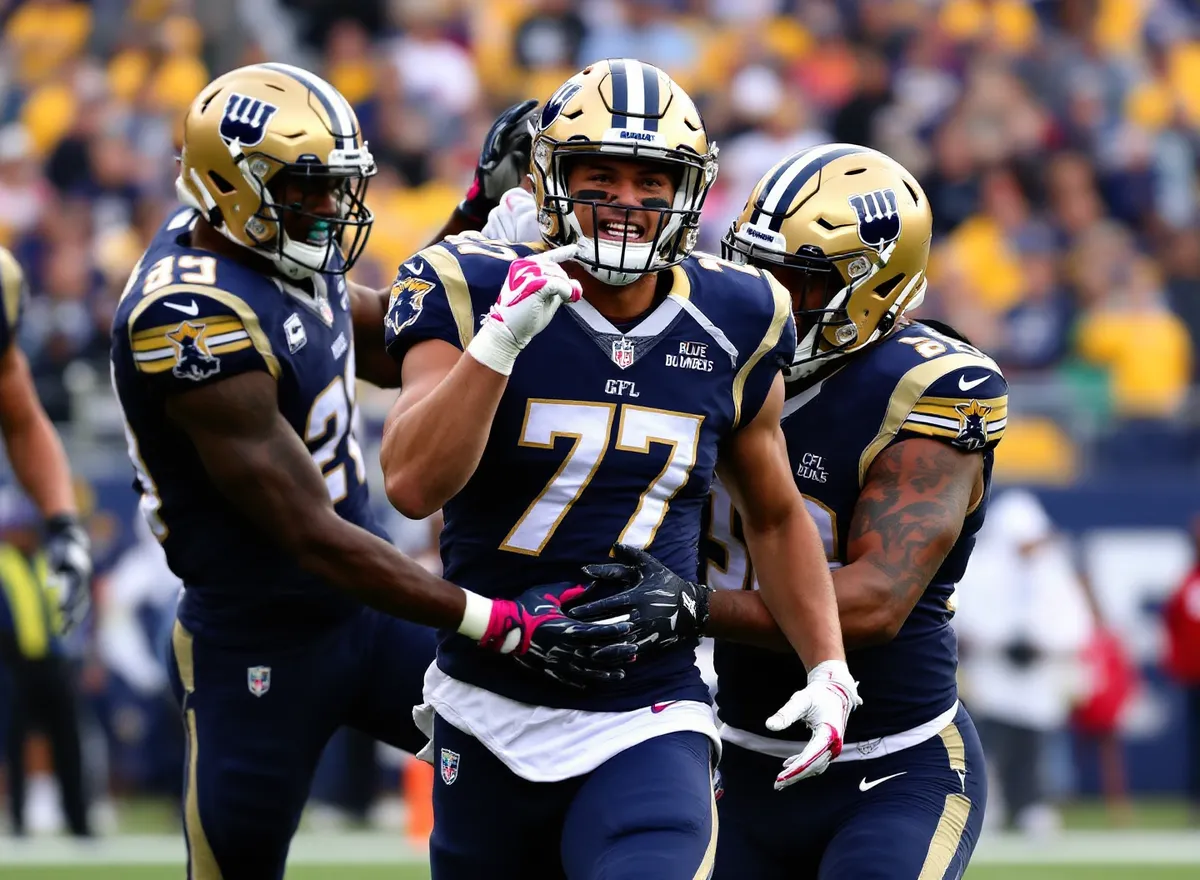
The Friday Night Pilgrimage
It's 5:30 PM on a Friday in late June, and the parking lots around IG Field are already alive. The smell of charcoal grills mixes with the crisp Manitoba air as families unload coolers, lawn chairs, and blue-and-gold jerseys. A father teaches his daughter how to toss a football between two parked trucks. Nearby, a group of university students sets up a cornhole board, their laughter echoing across the asphalt. This isn't just a pre-game ritual; it's a weekly reunion.
This scene has played out 75 consecutive times now. That's 75 regular-season and playoff home games, stretching back to 2017, where every single ticket has been sold. In a league where attendance can fluctuate, the Winnipeg Blue Bombers' sellout streak stands as a monument to something deeper. It's not just about watching football; it's about belonging.
"You see the same faces every game," says Sarah Kowalski, a season-ticket holder since 2015. "It's like a big family reunion. My kids have grown up in this parking lot. They know the tailgate regulars by name. The Bombers gave us that."
The streak, which now ranks among the longest in Canadian professional sports, is a testament to a fan culture that prizes community over convenience. In an era of streaming and stay-at-home entertainment, 33,000 people choose, week after week, to be together. They brave -30°C playoff winds in November. They cheer through rain delays. They show up, not because the team always wins, but because the experience of winning—and losing—is better when shared.
Building the Next Generation
But the Bombers' impact goes far beyond the turnstiles. On a Tuesday morning, while the players are reviewing film, a different kind of work is happening across the city. At a school gymnasium in the North End, a Blue Bombers community coach is running a non-contact football clinic for Grade 5 students. The kids are learning how to grip a spiral, but they're also learning about teamwork, respect, and staying active.
The Bombers' youth football programs reach over 15,000 kids annually across Manitoba. From the "Bombers in Schools" initiative to the flag football leagues that now operate in 40 communities, the team has made a deliberate investment in the province's future. The numbers are impressive: more than $500,000 in community investment each year, including equipment donations, coaching clinics, and school visits.
Then there's the player-led charity work. Defensive back Deatrick Nichols, known for his lockdown coverage on the field, is equally committed off it. He runs an annual back-to-school backpack drive in Winnipeg's inner city, distributing supplies to families who might otherwise struggle. Quarterback Zach Collaros and his wife have been regular volunteers at the Children's Hospital, spending quiet afternoons reading to young patients.
"These guys understand that they're role models," says Bombers community relations director Mark Thompson. "They don't just sign autographs; they show up. They mentor. They listen. For a kid in a challenging neighbourhood, seeing a CFL player say 'I believe in you' can change everything."
The team's "Every Yard Counts" program, which donates money to local charities based on offensive yards gained, has raised over $200,000 since its inception. Every touchdown, every first down, becomes a small victory for a food bank or a youth shelter.
A Province's Pride
To understand what the Blue Bombers mean to Manitoba, you have to look beyond Winnipeg's city limits. In Brandon, Dauphin, Thompson, and Churchill, Bombers merchandise is a common sight. The team's radio broadcasts reach into remote northern communities where football fields are a rarity. When the Bombers ended a 29-year Grey Cup drought in 2019, the celebration wasn't confined to Portage and Main—it was a province-wide exhale.
That 2019 championship, followed by back-to-back titles in 2021 and a fourth in 2023, wasn't just about trophies. It was about identity. In a province that often feels overlooked by the rest of Canada, the Bombers became a symbol of resilience. They were the underdogs who kept fighting. They were the team that refused to quit.
Economically, the impact is undeniable. A 2023 study estimated that IG Field generates over $60 million in annual economic activity for Winnipeg. That's hotel rooms filled by visiting fans, restaurant reservations, and jobs for game-day staff. But the real value is harder to quantify. It's the young family that decides to stay in Manitoba because they love the community feel of game day. It's the newcomer to Canada who finds a sense of belonging in the stands.
"When I moved here from India, I didn't know anything about football," says Arjun Patel, a recent immigrant. "My neighbour invited me to a game. Now I have season tickets. The Bombers helped me feel like a Winnipegger."
As the 2026 season continues—with the team currently navigating a challenging stretch after a tough loss to Edmonton—one thing remains constant. The sellout streak will keep growing. The youth clinics will keep running. The province will keep believing.
Because the Winnipeg Blue Bombers aren't just a football team. They are the thread that stitches together a community. They are the Friday night lights that guide a province home.
← Back to all research